Smoked German Sausages – A Signature Taste from Europe
With today’s diverse food options, sausages and other packaged meat products are commonly used in many popular dishes. They bring a distinctive and delightful flavor, adding variety and richness to global cuisine. Let’s explore Smoked German Sausages with Lam Tân in the article below.
What Are Smoked German Sausages?
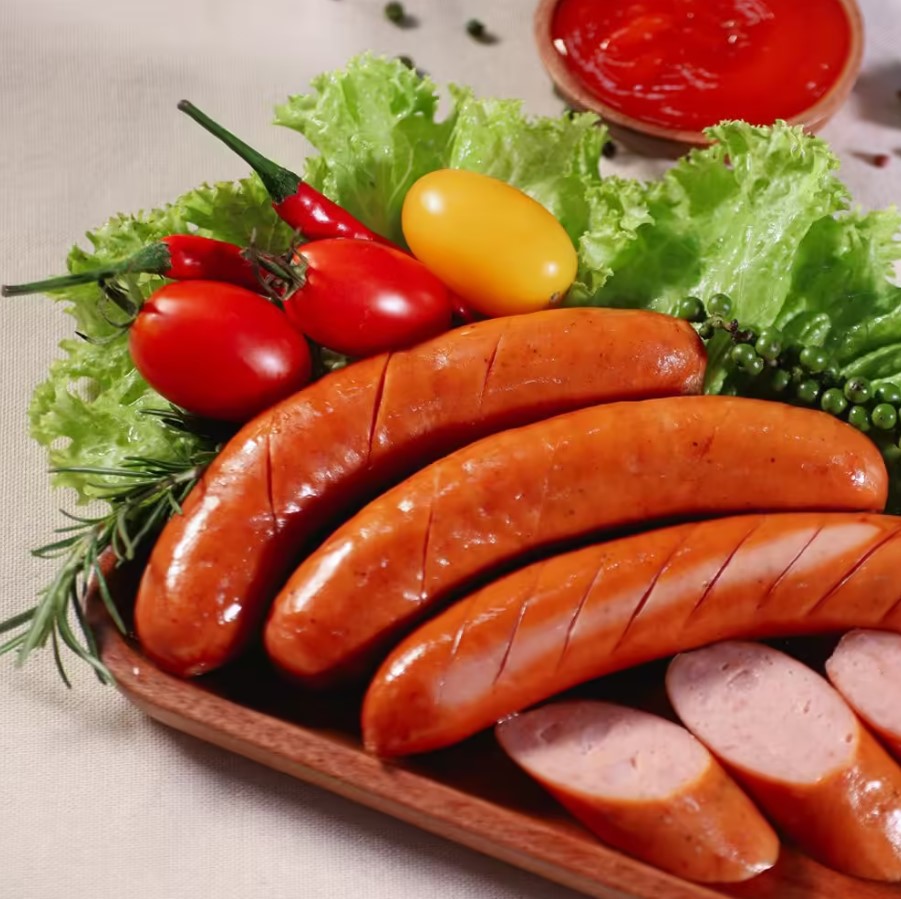
German sausages are known for their unique preparation process and exceptional flavor. One key feature of Smoked German Sausages is their natural smoking process, which gives them a rich aroma and signature taste.
They are typically made from fresh pork combined with spices like salt and pepper. The ground mixture is packed into natural or food-safe synthetic casings, then hung in smoking chambers where they are exposed to wood smoke—often from oak, hickory, or pine. This creates the bold, distinct taste of German smoked sausages.
They have a cylindrical shape, a smooth, elastic texture, and are used in a variety of dishes—grilled, sautéed, in bread rolls, or added to soups, stews, and pasta.
How Are Smoked German Sausages Made?
The production process may vary slightly between producers, but a standard process typically includes:
- Freezing
- Select clean, high-quality ingredients.
- Store meat at low temperatures to prevent microbial growth and preserve freshness.
- Defrosting
- Thaw frozen meat to soften it and prepare for processing.
- Washing
- Clean thoroughly to remove slime and prevent bacterial contamination.
- Coarse Grinding
- Mince meat into smaller pieces to prepare for fine grinding.
- Fine Grinding
- Blend to a smooth consistency while mixing all ingredients.
- Stuffing & Portioning
- Fill the sausage casing evenly and accurately using stuffing machines.
- Steaming / Sterilizing
- Cook sausages to kill bacteria and enhance texture.
- Smoking & Cooling
- Smoke sausages to eliminate moisture, prevent bacteria, and develop their signature flavor.
- Packaging & Distribution
- Label, pack, and distribute to the market.
What Makes a Quality Smoked German Sausage?
- Even, smooth casing with no bulges or dents
- Distinct smoky aroma from the wood used in smoking
- Firm, juicy, elastic texture
- Not dry, mushy, or fibrous
A perfect smoked German sausage should deliver a flavorful, smooth bite with a signature aroma and consistency.
Popular Dishes Using Smoked German Sausages
- Braised Sausage Stew
Simmered with potatoes and cabbage for a hearty, traditional dish. - Grilled Sausage
Cooked over charcoal or in the oven; pairs well with bread, mustard, and greens. - Sautéed Sausage
Sliced and stir-fried with onions and spices for a quick, flavorful meal. - Sausage Sandwich
Served hot in a bun with ketchup, mustard, or relish. - Instant Noodles with Sausage
An easy upgrade to your noodle bowl by adding sliced sausage for extra flavor.
Storage Tips for Smoked German Sausages
- Refrigerate after purchase
- Keep in original packaging or airtight container
- Use within a few days once opened
- Freeze for long-term storage
- Avoid direct sunlight
- Always check the expiration date
Looking for Authentic Smoked German Sausages?
Lam Tân is now offering Smoked German Sausage 500g – Lasante, a high-quality imported product. For inquiries, wholesale partnerships, or to try it at home, contact Lam Tân today:
🔗 Fanpage: facebook.com/thucphamlamtan
📍 Address: 114 Kha Vạn Cân, P. Hiệp Bình Chánh, Thủ Đức City, HCMC, Vietnam