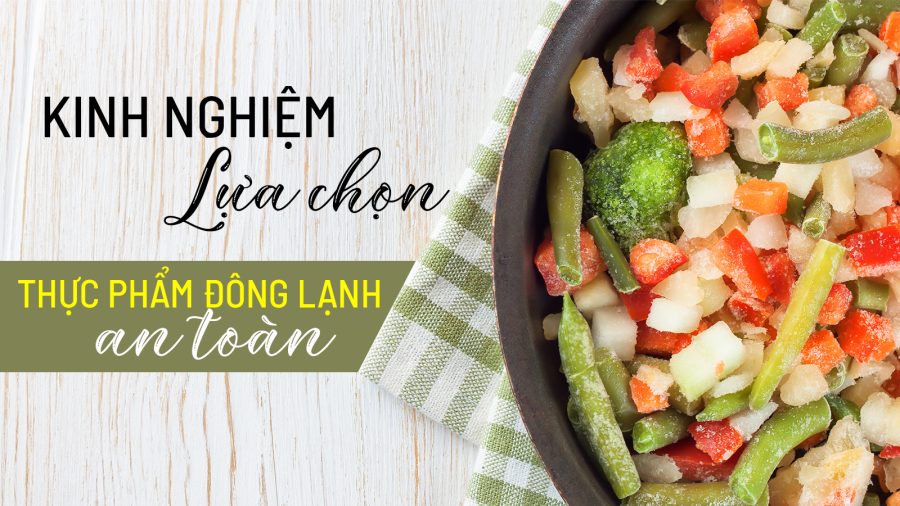

Frozen food is becoming increasingly popular and widely used in modern cuisine. This rise in popularity is not only due to convenience but also thanks to its unexpected benefits. Below are some key advantages of frozen food:
Convenience
Several studies have shown that the sales of frozen food have steadily increased in recent years. One of the biggest advantages of frozen food is its convenience.
It helps save time on grocery shopping, meal preparation, and kitchen cleanup. With options like pre-cut vegetables—such as crinkle-cut fries, straight-cut fries, lattice fries, and wedges—meal prep time is significantly reduced. Cleanup time is also shortened, making frozen vegetables an ideal choice for busy individuals.
Cost-Effectiveness
Frozen food can often be more affordable than fresh food, making it a great choice for those on a tight budget.
It helps reduce food waste and minimizes frequent shopping trips. Fresh produce can spoil before it’s used, leading to waste.
Studies show you may lose up to 40% of the weight of fresh vegetables during washing and trimming—that’s money lost. Frozen food eliminates this waste and helps you save more.
Moreover, frozen foods are packaged in portions, allowing users to take only what they need while keeping the rest safely stored. Items like frozen bacon or smoked ham are often packaged for 3–4 servings.
When buying in bulk, stores often offer discounts, helping you cut down further on food costs.
Longer Shelf Life
Frozen food can be stored for months in the freezer, allowing you to always have your favorite items on hand when needed.
Some products have storage lives ranging from 6 to 18 months, with others lasting up to 48 months.
For example, frozen broccoli can last up to 8 months in the freezer, compared to only one week if fresh. Hot pot items like fish cakes or imitation crab sticks can be stored for up to 18 months. This extended shelf life helps reduce food spoilage and long-term costs.
Nutritional Value
Contrary to popular belief, frozen food can be just as nutritious as fresh food. Many frozen items are preserved at peak freshness, maintaining high levels of nutrients.
According to the UK’s National Health Service (NHS), frozen foods may retain more nutrients than fresh or canned items, especially water-soluble vitamins like vitamin C and B. In fact, fresh produce may lose nutrients if harvested before fully ripe.
Thus, frozen food can be a healthy choice—just remember to read labels carefully. Most packages display detailed nutritional info, helping you make informed choices and manage your calorie intake easily.
Variety
Frozen food offers a wide range of options—from pre-prepared meals to individual ingredients you can use to create your own dishes.
Moreover, these products are available in various shapes, sizes, and formats, making it easy to find items that suit your needs and preferences.
Frozen food continues to be a top choice in today’s fast-paced lifestyle for its convenience, affordability, reduced waste, and ability to deliver quick, nutritious meals. It’s a perfect fit for modern living.