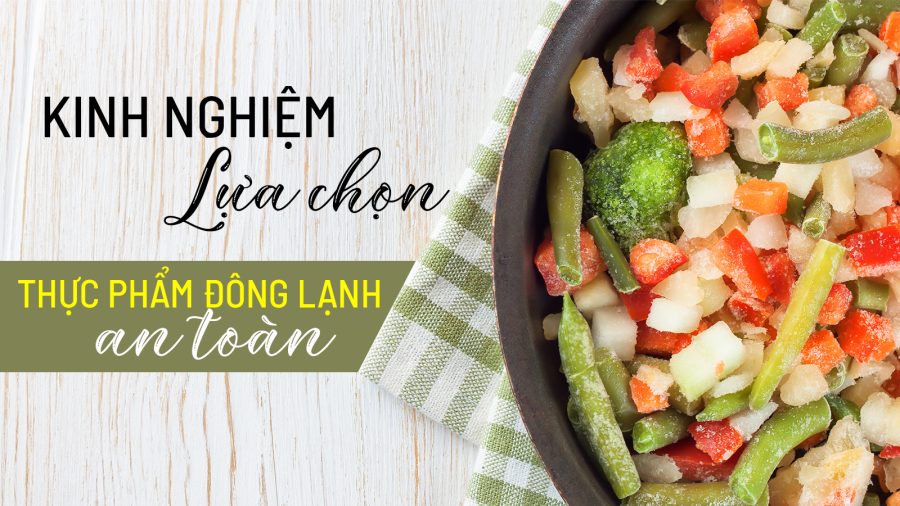

The more modern life becomes, the more people turn to frozen food. When frozen properly, food stays fresh while retaining its nutritional value. The article below will help you better understand frozen food.
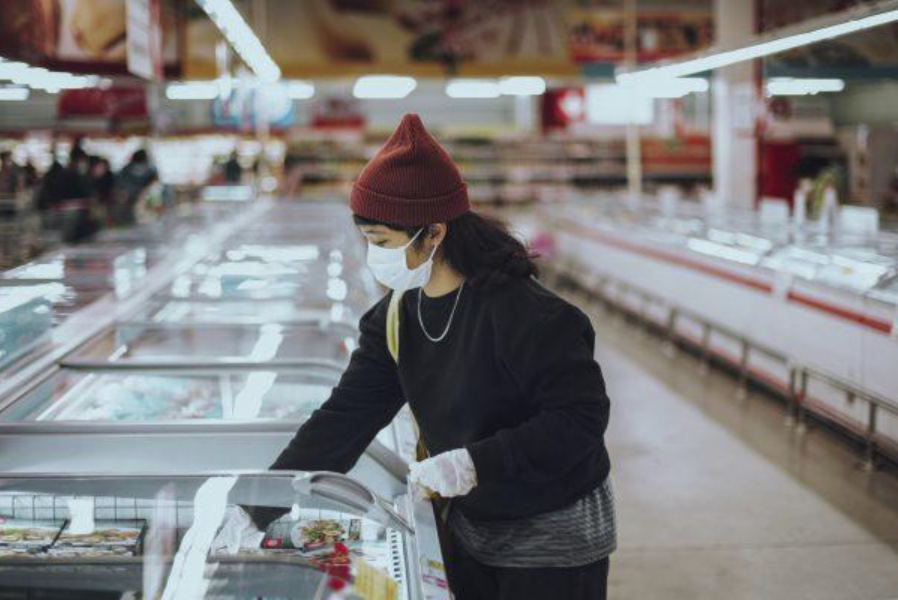
Best Time to Use Frozen Food
In reality, this depends on the specific type of food and how it is stored. However, there are some general guidelines for the optimal time to use frozen food:
-
For fresh products such as meat and fish, the safe freezing time can range from 3 to 12 months. However, the best time to consume these fresh items is within 3 to 6 months to ensure the highest quality.
-
For frozen vegetables like potatoes, carrots, and leafy greens, storage time can be longer — around 8 to 12 months. Still, it’s recommended to consume them within 8 months for the best taste and quality.
-
For packaged foods, ready-to-eat meals, and canned goods, storage time typically ranges from 3 to 6 months. The ideal time to enjoy these foods is within 3 months to maintain their original flavor.
Important note: When storing frozen food, it’s essential to keep it consistently at freezing temperatures. This helps maintain the food’s quality. Additionally, make sure the food is properly sealed and protected from external exposure to avoid oxidation and quality degradation.
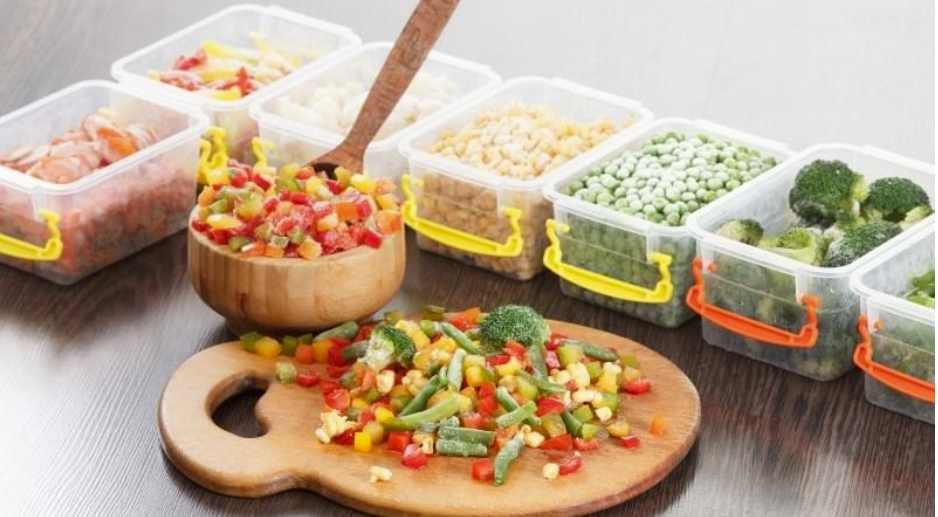
Additionally, storing frozen food at sub-zero temperatures helps maintain its optimal quality.
Ensure that food is tightly sealed and not exposed to air to prevent oxidation and quality loss.
Does Frozen Food Lose Its Nutritional Value?
The nutritional quality and freshness of frozen food largely depend on the quality of the food before freezing. Therefore, choosing high-quality food is essential.
When you select fresh, high-quality ingredients and freeze them properly, their nutritional content and flavor are well-preserved. In fact, the faster the food is frozen, the better it retains its nutrients and taste.
Do Changes in Color and Taste Affect Frozen Food?
Frozen foods may undergo slight changes in color.
For example, meat that is bright red before freezing may turn brown or reddish-brown afterward. In poultry, the meat color may remain the same, but the bones can darken.
These changes are often due to oxidation during the freezing process.
Unpleasant flavors in frozen food are typically caused by prolonged storage.
What’s the Difference Between Storing Frozen and Deep-Frozen Foods?
Storing Frozen Food:
-
Frozen foods must be tightly packed to prevent air and bacteria from entering.
-
Organize food by production date or use-by date to make inventory management easier.
-
Maintain storage temperatures between -18°C and -23°C for optimal quality.
Storing Deep-Frozen Food:
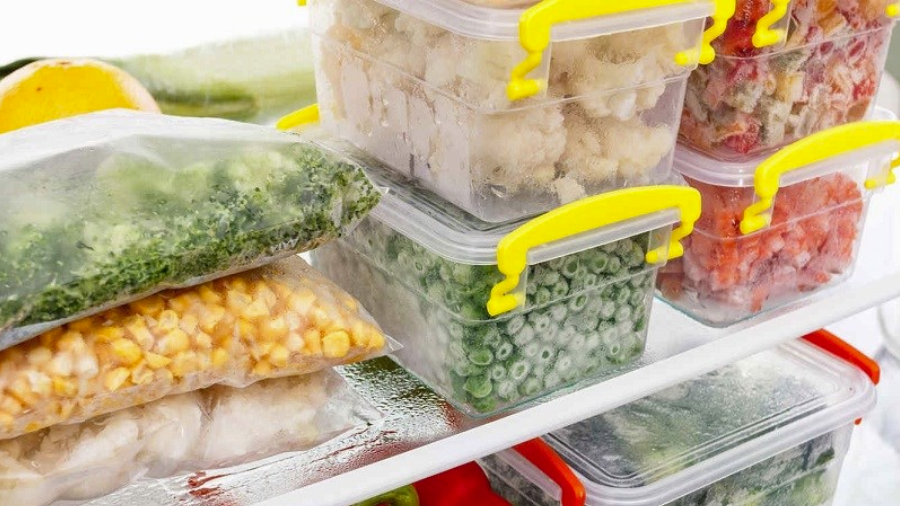
Deep-Frozen Food Also Requires Proper Packaging
- Deep-frozen food should also be tightly sealed.
The ideal storage temperature is below 0°C.
It is recommended to consume deep-frozen food shortly after purchase to ensure both quality and food safety.
Properly storing both frozen and deep-frozen food is extremely important, as it helps protect your health and your family’s well-being by ensuring food safety.
Some Things to Avoid When Using Frozen Food:
-
Do not consume food that is expired or has unclear origin.
-
Some processed frozen foods contain high sodium levels, so be mindful of your intake.
-
Avoid refreezing food, as it can lead to health risks and reduced quality.
-
Frozen foods without preservatives are generally better and more highly regarded.
-
Always follow the defrosting instructions provided on the packaging.
We hope the above information helps you gain a better understanding of frozen food and provides you with the essential knowledge needed for properly storing and using this convenient and useful food option.